
The Matter smart home standard has been around for a few years now. It looked promising when it started, but I wouldn't say it has really materialized — none of the major players have been promoting or producing compatible products worth getting excited about.
On the flip side of that non-commitment from the big brands, a lot of third-party smart home companies have been experimenting in the category, on top of their traditional lower-cost Wi-Fi or Zigbee accessories. So when you open Amazon and search for Matter products, options do come up — but they're either more expensive than similar non-Matter counterparts (at least that's how it stood six months ago, when I bought my IKEA KAJPLATS bulbs), or the specs are mundane enough that I wasn't satisfied.
Then, in late 2025, IKEA announced a full line of Matter-compatible products: light bulbs, controllers and sensors. A global smart home player had finally joined the race.
Before this announcement, IKEA had been selling proprietary smart home products that only worked with their own hub, and only worked with Google and Alexa indirectly. I'd call this a big step up, and it required a real change of strategic thinking on their side, which I appreciate.
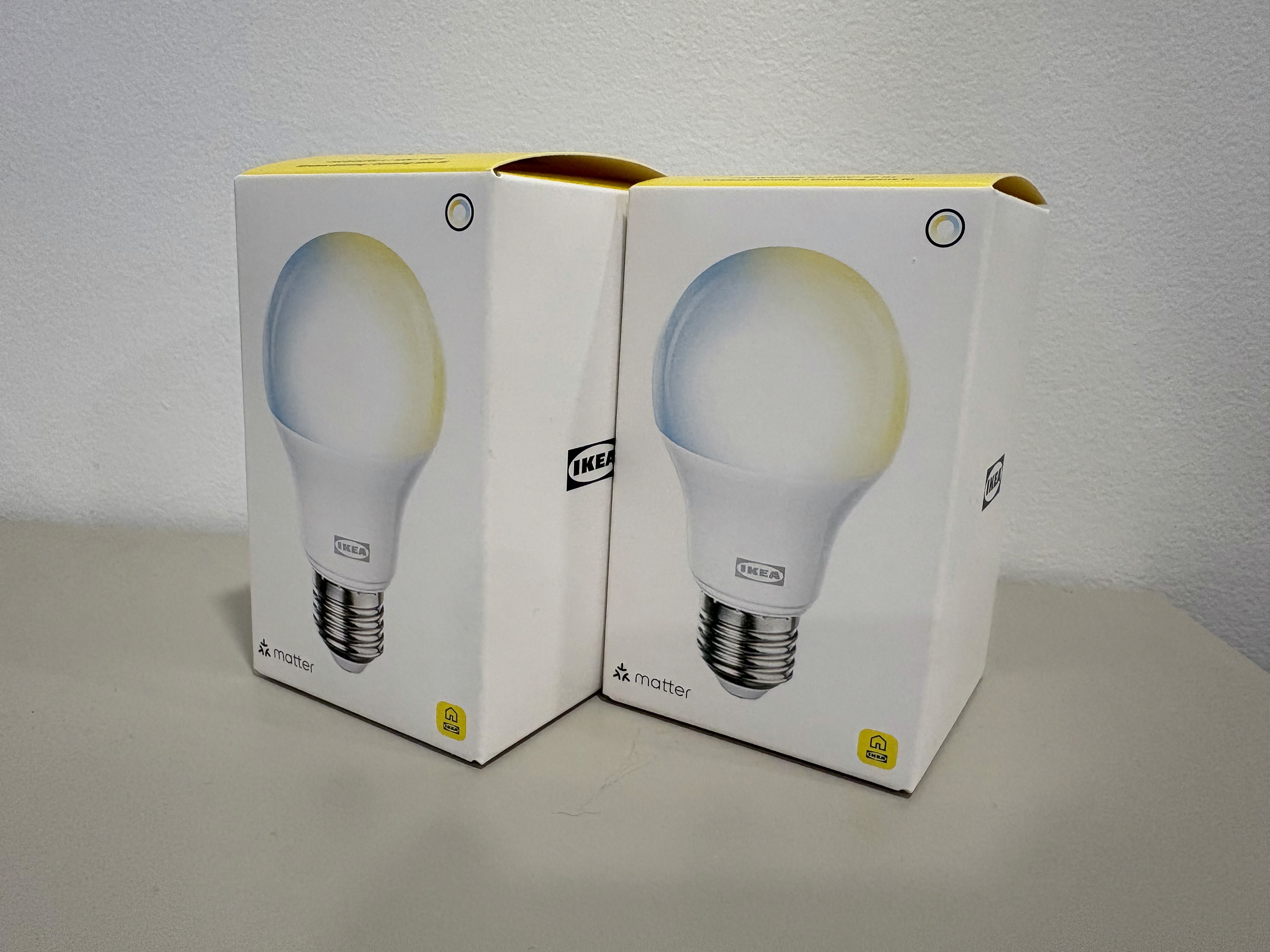
The KAJPLATS light bulbs
Shortly after the announcement, IKEA started selling them in North America this spring. My biggest problem with smart bulbs, on top of the ecosystem limitations, has always been brightness. 800 lumens has always felt too dark to me, and for some reason nobody wanted to invest in a brighter smart bulb — even though bright bulbs have existed in traditional non-smart form for years.
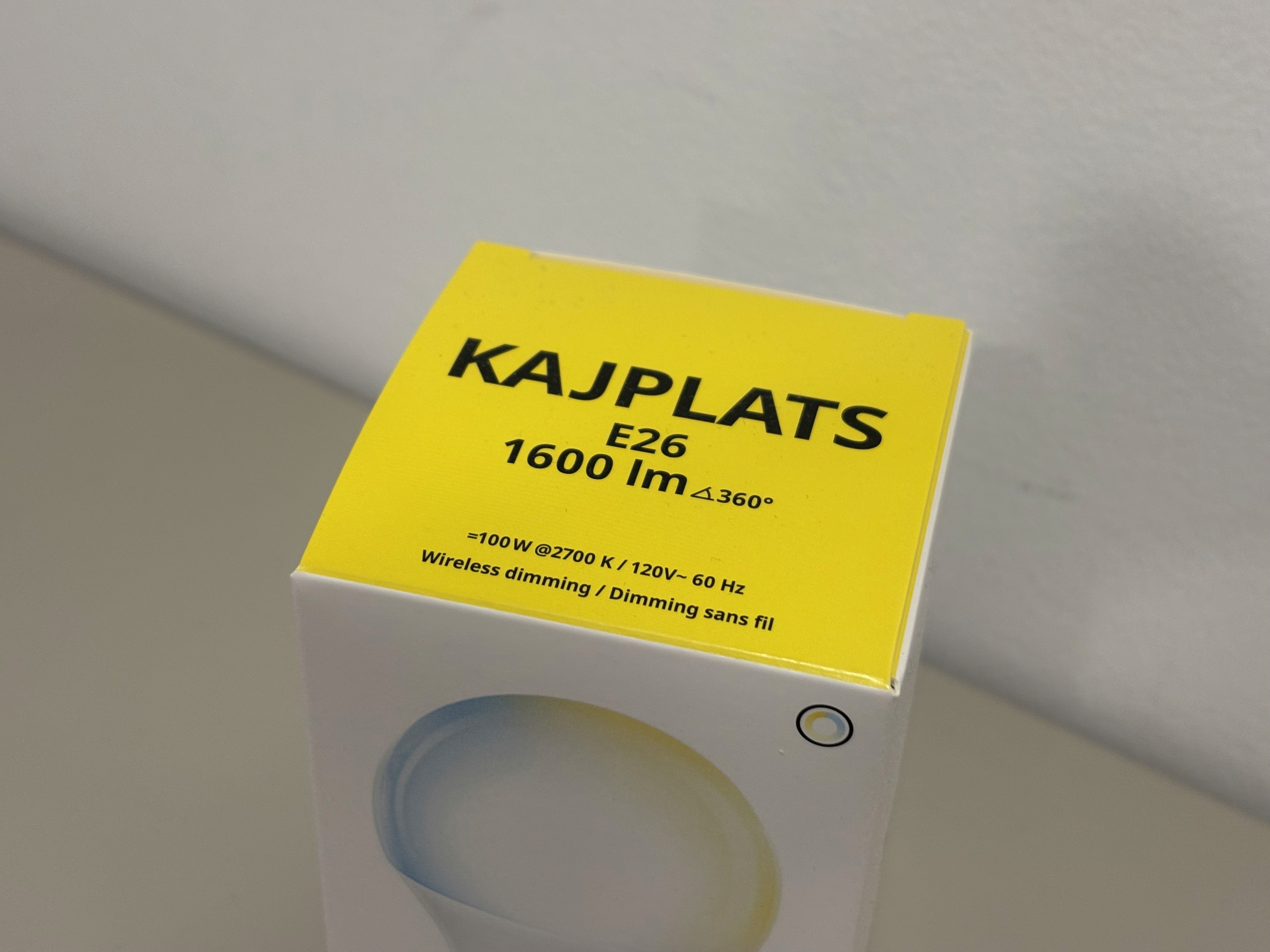
I struggled with this until IKEA released the 1100 lumen and 1600 lumen E26 KAJPLATS bulbs. What's even better is that the price isn't far off the no-name brands on Amazon.
I didn't hesitate. I bought enough to replace every dim 800 lumen Wi-Fi bulb I'd been living with. Matter made them easy to set up, and they're crisp and bright enough to light up a whole room. The spec difference is real: the 1600 lumen bulbs are roughly twice as bright.
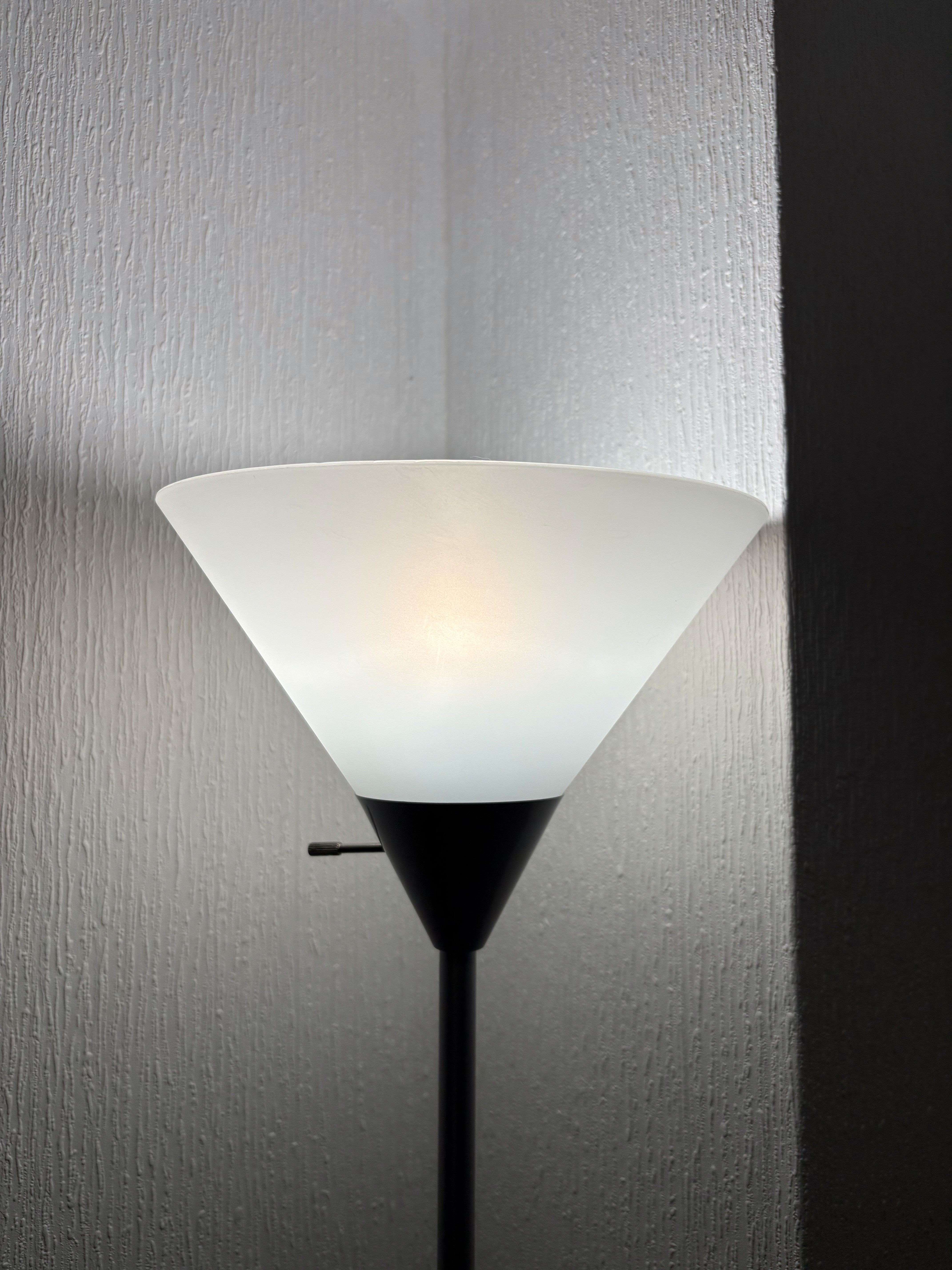
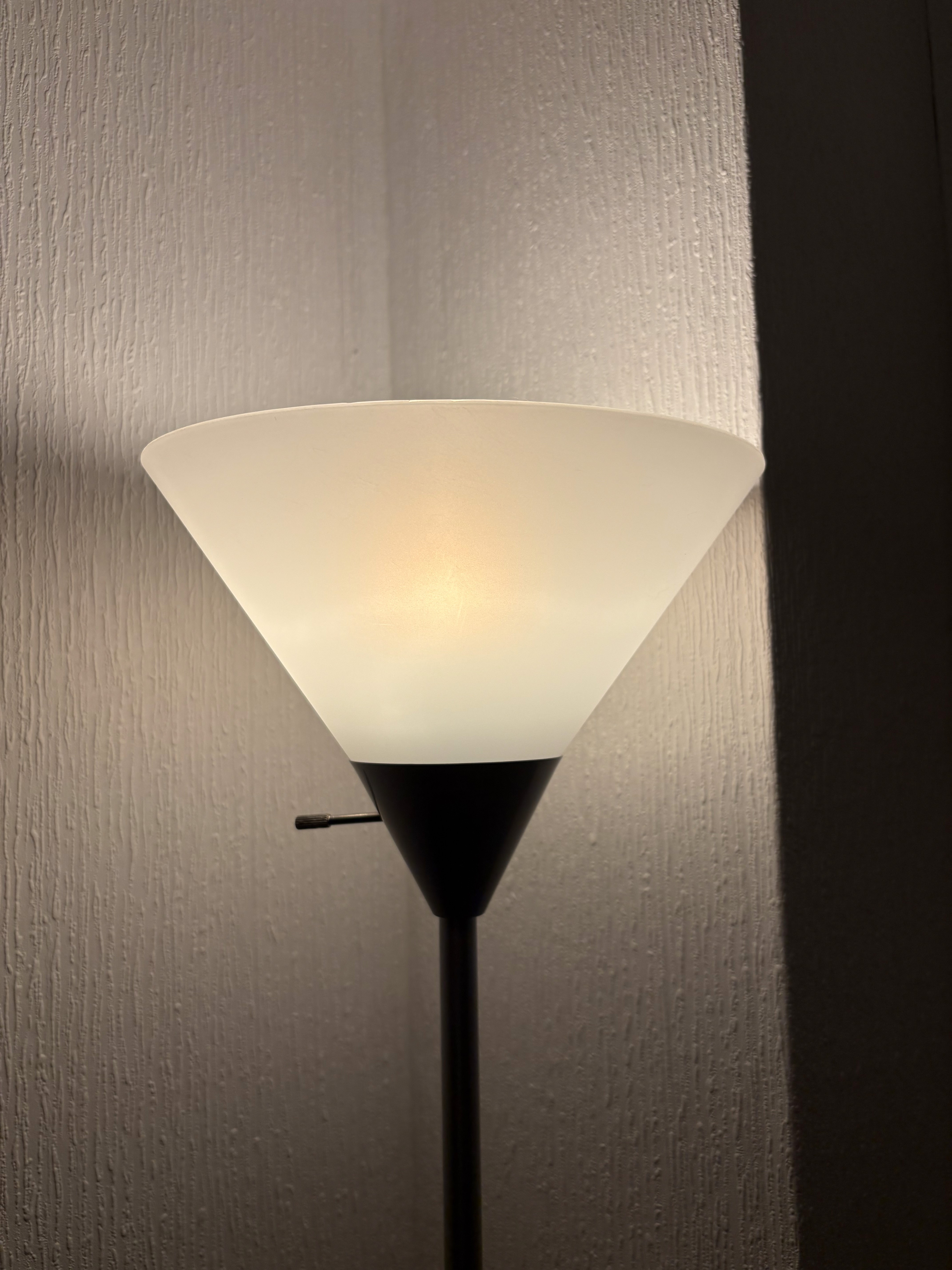
Buying from IKEA instead of a smaller smart home brand has another advantage: color accuracy. The no-name bulbs I've owned in the past had color tones and color temperatures that badly mismatched what was shown in the Google Home app, and matching them by voice control was worse. It's a nightmare to manage. Every IKEA bulb I've bought, on the other hand, can be set to a color temperature that closely matches what I see on screen.
Matter features
Being Matter compliant means these bulbs can finally be controlled directly by Apple HomeKit, and Siri understands instructions better. My HomePods are finally smarter — not because Siri got LLM support, but because I added more compatible accessories.
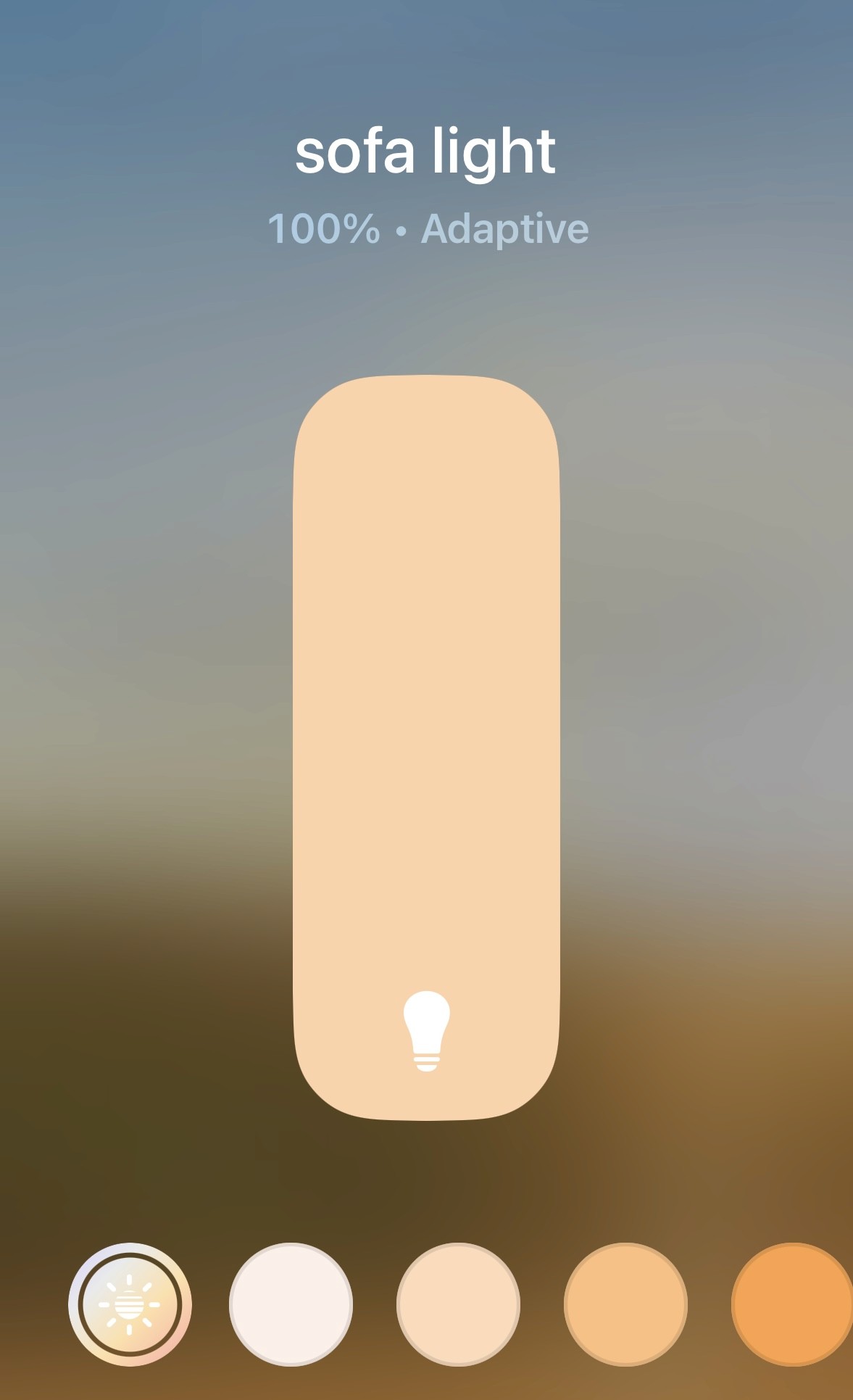
As mentioned above, the color temperature is accurate when you adjust it manually. The iPhone Home app also offers adaptive lighting based on the time of day. Turn it on and the bulb runs cool white in the morning and transitions naturally to warm orange in the evening. By natural I mean the transition is so smooth I can barely notice it happening in the background, rather than being jumpy and distracting. Also, all of them stay in sync so the color is consistent across different rooms.
There are also the features common to every smart home ecosystem: scenes, groups and automations. Because these live natively in the Apple Home app, my routines work better, especially with geofencing. My leaving-home and arriving-home routines fire reliably now, which also means fewer lights burning in an empty apartment.
Situation update: September 2026
Searching Amazon today, there are now more 1100 and 1600 lumen A19 E26 bulbs that support Matter. Price-wise they're actually more expensive than IKEA unless you buy a 4-pack. I wouldn't expect them to behave any differently from the IKEA bulbs as long as they're Matter compatible, so they're an easy option if there's no IKEA near you.
Summary
The IKEA KAJPLATS bulbs are a strong offering, with a huge brand behind them. I'd recommend them to anyone planning a smart home upgrade. And go for the higher lumen version — the extra headroom costs only a few dollars more.